

Empowering students with language-based learning differences


Siena Blog



News
The Siena School Blog
Discover, Learn, Celebrate, and Empower
Welcome to Siena's blog, your source for helpful, cutting-edge resources tailored to teachers, parents, and other advocates in the learning differences community. We are dedicated to providing a wealth of curated knowledge spanning various topics, ranging from dyslexia advocacy and awareness to classroom teaching strategies, heritage month profiles, and social and emotional health.
Discover innovative classroom strategies that inspire creativity and foster a love of learning.
Our commitment to social-emotional wellness ensures that we provide valuable insights into healthy student development and self-advocacy.
Discover resources, reading and podcast recommendations, volunteering opportunities, and more for parents in the LD community.
Our important heritage month posts highlight key people, offer reading and podcast recommendations, and more.
Why Summer Is the Perfect Time to Learn
February 03, 2026
Avg. Read Time 5-6 min.
“I got a feel of what the school was like and what curriculum I could expect in my classes” —7th Grader
Benefits of Summer Academic Programs
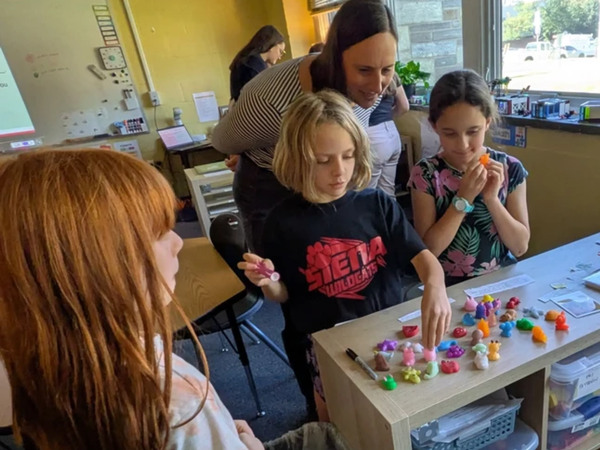
Summer offers a convenient continuation of learning for students. It’s important for students in the LD community to be surrounded by peers with similar learning profiles and educators who truly understand how these students learn best, particularly in the smaller, focused classes that summer programs offer.
Among other benefits, summer academics also offer skills reinforcement, focused work in key subject areas, confidence-building, and a strong start to the upcoming school year.
Summer downtime after a long school year is important, but so too is guided summer work time to keep students’ skills sharp and — particularly for LD students — word retention active.
1. Summer academic programs let students “test drive” the school.
Learning about a new school over the summer can be a great trial run for students before the year starts. Maybe the new building is bigger or harder to navigate than a student’s former school, or classes use technology more regularly than students are used to. These programs can be helpful to transition students to a new learning environment.
Whether it’s one or all of these, think of summer school as a dress rehearsal for incoming students to start learning the tools, technology, and other systems that could be part of the norm at the new school.
This is especially important for students with language-based learning differences, because they need to start developing the accommodations and self-advocacy practices that a school like Siena has integrated into their curriculum, including our multisensory strategies and individualization of learning.
Meeting some students and teachers over the summer gives incoming students a degree of familiarity with the community that will be such an important part of their daily lives once the year starts.
“You can find out what’s about to happen in school and begin experiencing Siena. You also start getting comfortable with the building so you know where to go when school starts.” —6th Grader
2. Summer academic programs help assess students' learning needs.
When students take summer classes, their teachers can start to identify their individual learning styles and executive functioning skills, which in turn helps teachers develop student learning profiles to prepare for the coming year.
Students with dyslexia typically need more time and repetition to effectively store information within the automatic reading system; summer programs provide that needed time and repetition in a flexible, personalized environment. Moreover, Siena’s small classes, expert teachers, and individualized, language-based approach allows summer instruction to be tailored to each learner’s needs and strengths.
3. Summer academic programs support social and emotional wellness.
Attending a summer program as an incoming student could be especially good for anxious learners to get a microexperience of the school, their peers, and teachers.
Programs allow students to socialize and form community bonds to lead them into the new school year, in addition to being gradually introduced to the school’s teaching methods and overall learning environment. Often, these summer community friendships give new students a sense of comfort and confidence as they start the new school year.
“Right away I found students with similar styles, and then our friendships continued as the school year started and they introduced me to the rest of their friend group.” —7th Grader
4. Summer academic programs prepare students for the school year.
Providing opportunities for both exploration of strengths and interests, as well as providing academic support, helps create a well-rounded summer in a few ways:
- Increased Comfort: When taking summer classes, students start getting more comfortable navigating the school, learning the teachers’ expectations, and building social relationships.
- Skills Reinforcement: Practicing foundational learning skills between grade levels prepares students for the next grade — academically, organizationally, and emotionally.
- Executive Functioning: Summer is an ideal time to practice organization, planning, time management, and self-advocacy—skills that benefit students year-round.
When students experience growth and success in summer academics, they can experience success, rebuild academic confidence, and return to school feeling capable and prepared.
“It was a good way to see what I would learn about once school started. Some of us made friends instantly, which helped us once school started in the fall.” —6th Grader
Summer at Silver Spring Summer at Northern Virginia
Resources from Siena’s Blog
For more information about the benefits and opportunities of summer programs, see these past blog posts about Summer Reading, Boredom Busters, and Summer Tech Skills.
The Siena School, a nationwide dyslexia education leader currently in its 20th anniversary year, serves bright, college-bound students with language-based learning differences on campuses in Silver Spring, MD (grades 3-4 and 5-12) and Oakton, VA (grades 3-12).
Posted in
Parents and Community
Inquire About Siena
Curious if Siena is the right fit for your child? Get in touch with our dedicated Admissions Team by clicking below: