

Empowering students with language-based learning differences


Siena Blog



News
The Siena School Blog
Discover, Learn, Celebrate, and Empower
Welcome to Siena's blog, your source for helpful, cutting-edge resources tailored to teachers, parents, and other advocates in the learning differences community. We are dedicated to providing a wealth of curated knowledge spanning various topics, ranging from dyslexia advocacy and awareness to classroom teaching strategies, heritage month profiles, and social and emotional health.
Posts Tagged "resources"
Mental Health Awareness Month 2024
May 29, 2024
With Mental Health Awareness Month 2024 winding down, it’s a good time to think about how adolescents can continue their good mindfulness and self-care practices over summer break.
Summer Mental Health Awareness
As we know, trying to find providers in today’s climate can be tough! The needs are high, and the number of providers who fit all of your needs are slim. Yet, as Siena’s School Counselor I’ve helped many parents and families find resources that have helped their child tremendously, and I hope to do the same here.
Summer is a great time to engage your child in therapy, social skills, or any other group wellness activity. There is more flexibility in their schedule, it’s a good time to brush up on skills they may need to be successful in the following year, and there are typically lots of groups offered during this time.
- The National Alliance on Mental Illness (NAMI) is encouraging us to Take the Moment for Mental Health Awareness Month 2024 in “normalizing the practice of taking moments to prioritize mental health care without guilt or shame.” See NAMI’s digital toolkit for ideas and specific resources for their Take the Moment campaign.
- Mental Health America and Substance Abuse and Mental Health Services Administration also have resources available.
It’s vital for students to understand their own mental health and the many resources they have access to. Below are some resources that you may be interested in to check in with your child, assess their needs, and see what you can do over the summer.
Individual Providers/Groups (Silver Spring)
- Bethesda Counseling Services (Carefirst BCBS)
- Brian Wheeler (Aetna)
- Brighter Days Child & Family Therapy (OON)
- Healing Harmony Wellness (BCBS, United Behavioral HC, Cigna)
- Marcus LaSota (Aetna)
- Nathan Luecking (Aetna)
- Orchard Mental Health (Aetna, BCBS, Carefirst)
- Roman Counseling (Cigna and BCBS)
- Stephanie Junghans (Carefirst)
Individual Providers/Groups (Northern Virginia)
- DMV Mental Health (Carefirst BCBS, Cigna/Evernorth)
- McLean Psychotherapy Practices (OON)
- A Rhaea Hope (Anthem, Blue Cross Blue Shield, Cigna, United Healthcare/Optum, Out-Of-Network Insurance, and Self-Pay)
Summer Programs and Groups in the DC Area
- Alvord Baker - Resilience Builder Program
- Brighter Days Child & Family Therapy
- CBT for Anxiety Group and Teen Mindfulness Group: offerings for different groups (grades 7-12)
- SPACE Program (Supportive Parenting for Anxious Childhood Emotions)
- SPACE Program and Parent Management Training Camp SELF: summer sessions for grades 5-8 (June 17-28) and grades 9-10 (August 5-9)
- Study Skills Camp: summer session for grades 6-9 (July 29-August 2)
- WISER: see their Find a Professional page to search for specialized services for students with learning and related needs in the DC Metro Area.
On top of this list, which prioritized providers that accept insurances, I also have lots of out-of-network providers who have been added to my referral lists. I also love the website Psychology Today for finding a provider that fits your needs. Finding support for your child or family can be a great next step in finding success.
Additional Resources
For additional information from The Siena School blog to help navigate students’ social–emotional health, see these posts from May 2023 about learning differences and confidence and online and offline boundaries for teens. See also this post about social media and mental health from May 2022.
The Siena School, a national leader in dyslexia education, serves bright, college-bound students with language-based learning differences on campuses in Silver Spring, MD (grades 3-12) and Oakton, VA (grades 3-11).
Posted in
Social and Emotional Health
Black History Month Spotlight: LeDerick Horne and Marcia Brissett-Bailey
January 26, 2024
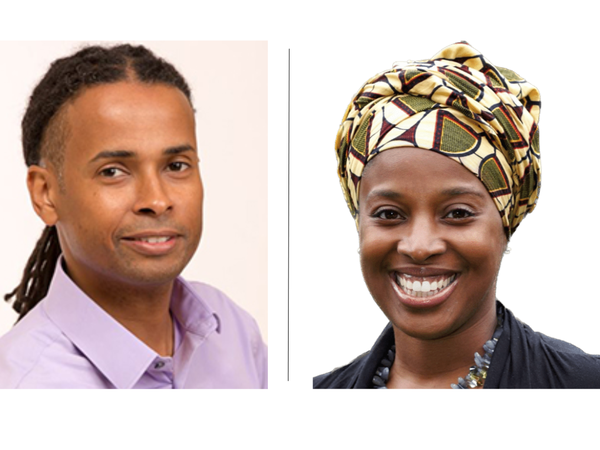
The theme of Black History Month 2024 is African Americans and the Arts. The arts in all their forms have always been instrumental to Black culture. Since art has been one of our core values from the beginning, Siena is highlighting a pair of contemporary Black writers with dyslexia, as well as sharing some reading and other resources to commemorate this important month.
Writer and Poet LeDerick Horne
Poet, speaker, and advocate LeDerick Horne grew up in New Jersey and received an early dyslexia diagnosis (3rd grade). This laid the foundation for his decades of writing, speaking, and advocacy work on behalf of the LD community and Black identity.
Here are some key points in Horne’s career thus far:
- Horne did foundational work on the governing board of Eye to Eye, a nonprofit mentoring program for LD students. He’s on the advisory board for The National Resources for Access, Independence, Self-Determination, and Employment (RAISE), and he’s a member of the governing board for the New Jersey Coalition for Inclusive Education.
- Horne’s many honors and associations include LDA, Eye to Eye, NAACP, The White House, and the UN Convention on the Rights of Persons with Disabilities, as well as many presentations and media appearances.
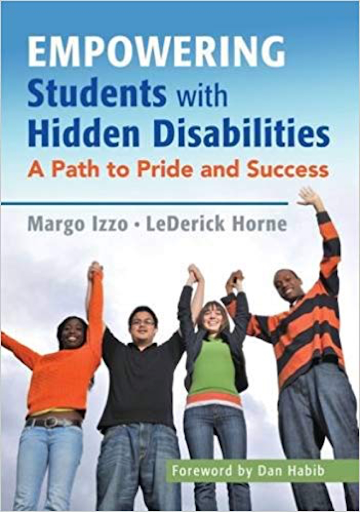
- Horne coauthored Empowering Students with Hidden Disabilities: A Path to Pride and Success with Margo Izzo (2016), a guidebook collecting personal stories and strategies for teachers and families.
- He has also released two spoken word poetry collections, Black and Blue in 2011 and Rhyme, Reason, and Song in 2005 (both available on Apple Music). Horne has also been profiled on Poets List and in the short documentary Normal Isn’t Real, among many other platforms.
“What is funny—and ironic—for those of us who have learning disabilities is that the challenges that we were chastised for as children end up becoming these extremely valuable tools out here in the marketplace.” (LeDerick Horne)
Writer and Advocate Marcia Brissett-Bailey
Writer, speaker, and dedicated dyslexia and neurodiversity advocate Marcia Brissett-Bailey grew up in London and received her dyslexia diagnosis at age 16. “I no longer felt stupid” upon hearing about her learning difference, she has shared.
Here are some key points in Brissett-Bailey’s career thus far:
- She is currently Further Education Partnerships Lead at Diversity and Ability, leading their support and guidance for young people under 18, as well as their parents and caregivers, schools, and colleges.
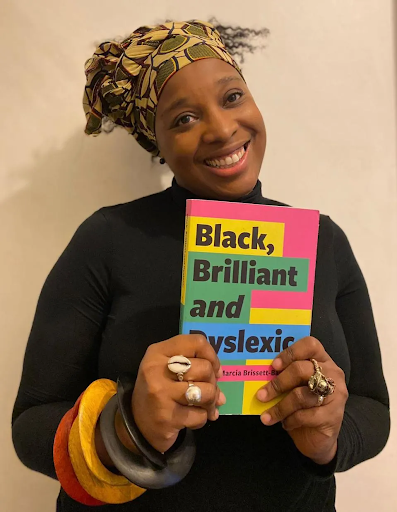
- She edited Black, Brilliant and Dyslexic: Neurodivergent Heroes Tell their Stories (2023), a collection of first-person pieces from the Black dyslexic community from an international, intersectional perspective. In her words, “My book takes us on a journey to challenge structural racism and years of trauma on people who are marginalized by different forms of oppression and may only come forward when they feel safe to be their whole selves.”
- Brissett-Bailey edited a special issue of Contact magazine in October 2021 that highlights the important work of the British Dyslexia Association Cultural Perspective Committee.
- Among other places, Brissett-Bailey has been profiled in Forbes, Business Forums International, and British Dyslexia Association, as well as the Move Beyond Words podcast.
“Dyslexia is daily…but I wouldn’t be authentically me without dyslexia as it’s giving me so many advantages…in seeing the world through a creative lens. My high-level thinking, seeing the bigger picture visually, hyper-focus on my interests, seeing patterns others do not see and conceptual thinking.” (Marcia Brissett-Bailey)
Resources for African American Arts and Culture
See Arts Resources from the Smithsonian for a wealth of local events, spotlights, podcast recommendations, museum exhibits, and more commemorating Black History Month.
The Frederick Douglass National Historic Site in Anacostia has a series of events commemorating Black History Month and the 206th anniversary of Douglass’s birth. Those interested in books by Frederick Douglass can read his three autobiographies (Narrative of the Life, My Bondage and My Freedom, and Life and Times), as well as selected speeches and his only novel, The Heroic Slave.
In addition to the Douglass Historic Site, the Mary McLeod Bethune Council House National Historic Site and Carter G. Woodson Home National Historic Site in DC are also offering weekly programs and special events this month.
Lastly, some recent fiction, nonfiction, and poetry books by Black authors to look up include:
- Dr. Mariel Bruqué, Break the Cycle: A Guide to Healing Intergenerational Trauma
- Common, And Then We Rise: A Guide to Loving and Taking Care of Self
- Kia Corthron, Moon and the Mars
- Brianna Craft, Everything That Rises: A Climate Change Memoir
- Melania Luisa Marte, Plantains and Our Becoming
- Ayana Mathis, The Unsettled
- Ijeoma Oluo, Be a Revolution
- Clint Smith, Above Ground
- Jesmyn Ward, Let Us Descend
Fans of the recent Color Purple film can go back and read Alice Walker’s 1982 novel, as well as her foundational works In Search of Our Mothers’ Gardens (1982) and Possessing the Secret of Joy (1992).
Siena Resources
The Siena School blog has other heritage month spotlights related to innovative dyslexia education, including Native American book recommendations, Mexican writer and activist Victor Villaseñor, Chicano artist Ignacio Gomez, WNBA stars A’Ja Wilson and Jewell Loyd, NFL star Rashan Gary, and others. Learn more about Siena’s commitments and ongoing initiatives for Diversity, Equity, Inclusion, and Belonging.
The Siena School proudly serves students with dyslexia and other language-based learning differences in grades 3-12 on campuses in Silver Spring, Maryland, and Oakton, Virginia.
Posted in
Parents and Community
Dyslexia Reading and Podcast Recommendations
October 13, 2023

As part of Dyslexia Awareness Month 2023, Siena has put together this short guide of books and podcasts that can help families in the LD community navigate their children’s specialized learning and social–emotional needs.
Book Recommendations for Dyslexia Awareness Month
- Adventures of Everyday Geniuses series
- Fish in a Tree by Lynda Mullaly Hunt
- Gifted and Distractible by Julie Skolnick
- Make it Stick by Peter C. Brown, Henry L. Roediger III, and Mark A. McDaniel
- Overcoming Dyslexia by Dr. Sally Shaywitz
- The Dyslexic Advantage by Drs. Fernette and Brock Eide
- The Knowledge Gap by Natalie Wexler
See also Siena’s in-house parent resource library list, The Literacy Nest, National Education Association, and Yale Center for Dyslexia and Creativity for more reading recommendations.
Podcast Recommendations for Dyslexia Awareness Month
See The Siena School blog for these related resources for LD families:
- Black and Dyslexic
- Fish Don't Climb Trees
- Lessons in Dyslexic Thinking (Made By Dyslexia)
- Dyslexia Coffee Talk (The Dyslexia Initiative)
- Tell Me This episode featuring Siena’s Dr. Jilly Darefsky
- The Invisible Gift
- The Science of Reading episode featuring Dr. Sally Shaywitz
- The Truth About Dyslexia
Blog Post Recommendations for Dyslexia Awareness Month
See The Siena School blog for these related resources for LD families:
- Common Acronyms in LD Education
- Podcasts for Every Interest
- Summer Reading At Siena
- Winter Break Podcast Recommendations
- Winter Break Reading at Siena
The Siena School proudly serves students with dyslexia and other language-based learning differences in grades 3-12 on campuses in Silver Spring, Maryland, and Oakton, Virginia.
Posted in
Parents and Community
Dyslexia Advocacy and Accommodations
October 07, 2021
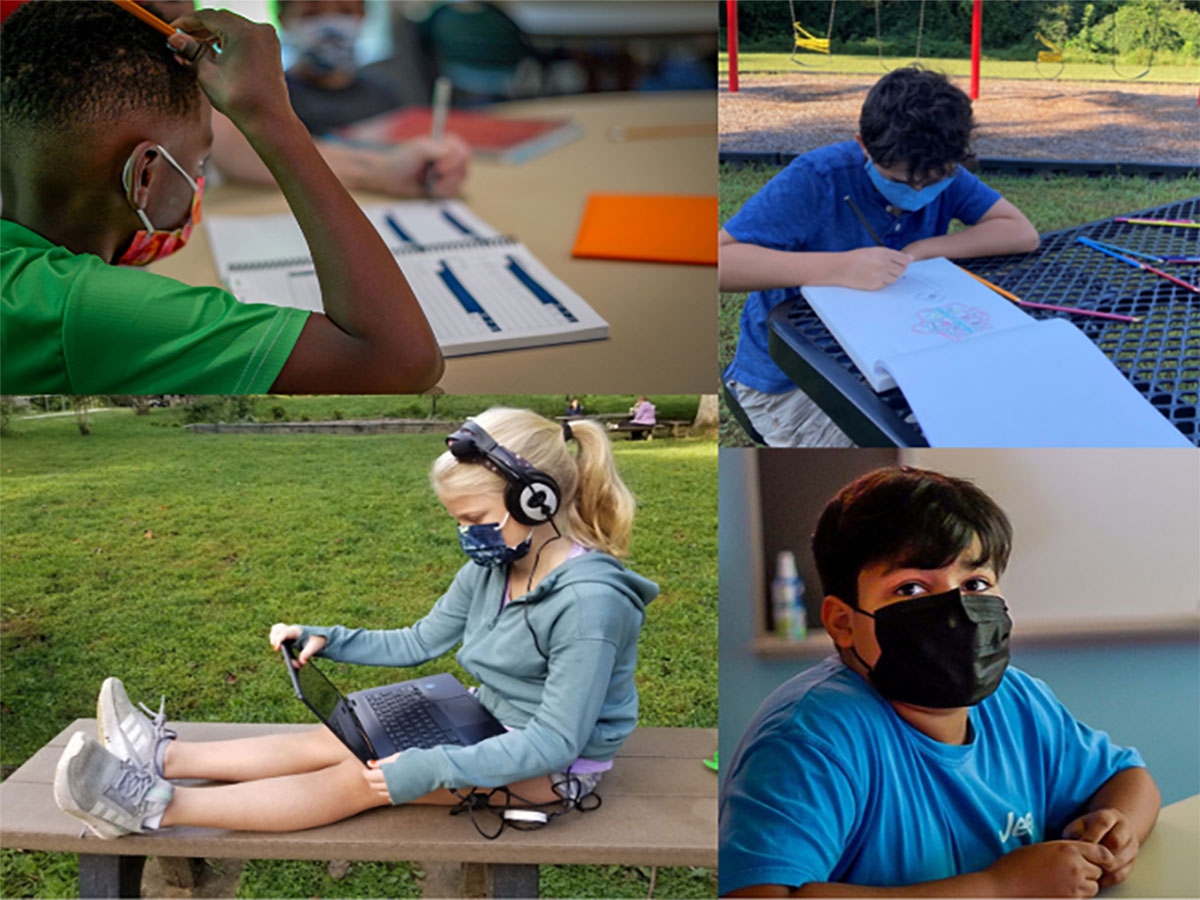
“I have a planner that I use. I still use my Siena color-coding skills. That has really been pushing me through all of my years—both at Siena and at college.” —Siena Alumnus
How do Siena students learn the skills necessary for them to succeed both at Siena and in college?
Through accommodations, through adaptation, and through self-advocacy each and every day.
Since October is Dyslexia Awareness Month, it’s the perfect time to reflect on the strategies that Siena regularly adopts to support our students’ different learning styles. At both our Silver Spring and Northern Virginia campuses, students have ample opportunities to self-advocate and seek the accommodations that best meet their individual needs.
Advocates and Advocacy at Siena
Advocacy and adaptation on students’ behalf is central to what Siena does every day:
- Students self-advocate by understanding their personal learning methods and needs, as well as by working with their teachers to succeed and, if necessary, make adjustments.
- Teachers advocate by having an open line of communication with students and parents and sharing what they’re noticing at school (both academically and socially–emotionally).
- Parents advocate by both promoting student self-advocacy at home and staying in contact with teachers about their students’ progress and needs.
From the beginning, Siena students are introduced to their accommodations and the reasons we use them. The students also trial different classroom supports and learn what works best, among them:
- flexible seating options (e.g., a standing desk)
- color strips
- fidgets (to help them focus)
- different pencil grips
- color-coding (good for particularly visual learners)
Siena students learn how to be active advocates, from requesting feedback on written assignments early in the process or seeking extra guidance to having a teacher act as a scribe to help them get their thoughts on paper.
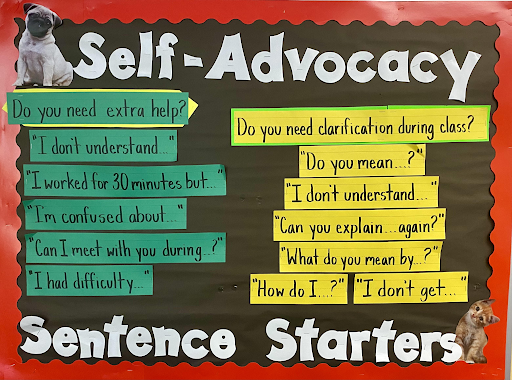
The elementary team uses sentence starters to guide students if they need extra help or clarification during class. These are posted in the classroom as a visual reminder of how students can best ask for what they need.
As students move through Siena’s academic grade divisions, they gradually become more independent in handling their assignments, deadlines, and overall learning conditions.
The advocacy lessons don’t stop when students graduate. A Siena alumnus who’s now a senior in college has learned the importance of talking with his professors and other support staff about accommodations because of how he was taught and practiced using them while attending Siena: “Get out there, talk to your professors, and be yourself,” he shared. “That’s how you can succeed.”
Resources Used in Siena Classes
In tandem with regular student-centered advocacy, Siena encourages students to use appropriate methods and resources to enhance their learning. For example, the Siena Planner helps students with organizing and executive functioning. It has both immediate and long-term benefits: it helps students learn how to regulate their homework and study schedules, as well as provides a tool to bring with them when they graduate.
“I still use a planner [in college]. It’s not exactly like Siena’s but it has everything in it. My planner is my life. Color-coding is huge.” —Siena Alumnus
In addition to print and physical accommodations, assistive technology is integrated into students’ daily lives, through such tools and resources as:
- Individual, school-issued Chromebooks (including a suite of Chrome extensions like Mercury Reader, Speech to Text, and Read & Write)
- Learning Ally
- Mindomo
There are also class-specific resources for math, reading, and other subjects. (See how our math team has adapted the curriculum to help students with dyscalculia.)
Additional Resources for Students and Families
Siena sets students up for success both in their time here and in their lives after by equipping them with useful tools and a willingness to self-advocate. In the process, students learn the skills they need outside the content-area knowledge they get in class:
Such a student-centered approach to learning helps Siena students maximize their potential for success—both as students and as alumni.
Visit our website to learn more about Siena’s individualized instruction and emphasis on self-advocacy and executive functioning. And, see our previous blog post for links to resources in the DC Metro area, including WISER and Decoding Dyslexia Maryland.
Posted in
Teacher Resources
Recent Posts
Categories
Archives
Welcome To Siena